Understanding Knee Cap Pain: Why Your Knees Hurt and How to Fix It
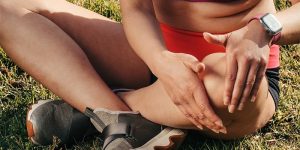
That sharp twinge when you stand up from a chair or the dull ache after a long walk can be more than just a nuisance. Knee cap pain, medically referred to as patellofemoral pain, is one of the most common orthopedic complaints, affecting professional athletes and office workers alike.
The kneecap (patella) sits in a specialized groove at the front of your thigh bone. When everything is aligned, it glides smoothly. However, when things go slightly off track, it can lead to significant discomfort and inflammation.

Why Does Your Knee Cap Hurt?
Knee cap pain rarely stems from a single event. Usually, it’s a combination of mechanical and lifestyle factors.
1. Patellofemoral Pain Syndrome (PFPS)
Often called “Runner’s Knee,” this is the most frequent cause of knee cap pain. It occurs when the cartilage under the patella becomes irritated due to repetitive friction or poor tracking within the femoral groove.
2. Muscle Imbalances
Your kneecap relies on a “tug-of-war” between your muscles to stay centered.
Weak Quads: If the thigh muscles aren’t strong enough to support the joint, the patella may shift.
Tight IT Band: A tight iliotibial band can pull the kneecap outward, causing uneven wear on the joint surface.
3. Overuse and Sudden Activity Spikes
The knee is sensitive to changes in workload. If you’ve recently increased your running mileage, started a high-impact HIIT class, or spent the weekend hiking steep inclines, the joint may become inflamed from the sudden load.
4. Chondromalacia Patella
This involves the actual softening and breakdown of the cartilage on the underside of the kneecap. It’s common in younger populations and can cause a “grinding” or “clicking” sensation when bending the knee.
5. Biomechanical Issues
Problems elsewhere in the body often manifest as knee cap pain. For example, flat feet (overpronation) can cause the leg to rotate inward, forcing the kneecap out of its ideal alignment during every step you take.

Effective Knee Cap Treatment Solutions
The good news is that most cases of knee cap pain respond well to conservative, non-surgical treatments if addressed early.
Immediate Relief: The R.I.C.E. Method
For acute flare-ups, start with the basics to reduce inflammation:
Rest: Avoid activities that aggravate the pain.
Ice: Apply cold packs for 15–20 minutes several times a day.
Compression: A light sleeve can help manage swelling and provide sensory support.
Elevation: Keep the knee above heart level when resting.
Physical Therapy and Strengthening
This is often the “gold standard” for long-term recovery. A targeted program usually focuses on:
Quadriceps Strengthening: Building the vastus medialis (the inner quad muscle) to help the knee track straight.
Hip and Glute Work: Strong hips prevent the knee from collapsing inward during movement.
Flexibility: Stretching the hamstrings and calves reduces the tension placed on the patellar tendon.
Supportive Gear
Knee Bracing: A patellar tracking brace or “J-brace” can provide physical cues to keep the bone in place during exercise.
Orthotics: If flat feet are the culprit, high-quality arch supports can realign the entire kinetic chain.
Don’t Let Knee Pain Sidelined You
If your knee cap pain is accompanied by significant swelling, an inability to bear weight, or a “locking” sensation, it’s time to seek a professional diagnosis to rule out structural damage or ligament tears.
At Singapore Sports and Orthopaedic Clinic, our specialists are dedicated to getting you back to the activities you love. Whether you are a weekend warrior or a professional athlete, we provide personalized treatment plans ranging from advanced physiotherapy to minimally invasive interventions.
Take the first step toward pain-free movement.
[Schedule Your Appointment Today] Or call us at +65 80337003 for an urgent evaluation.